Bleed for Likes: The Hidden Price of Selling Your Pain Online
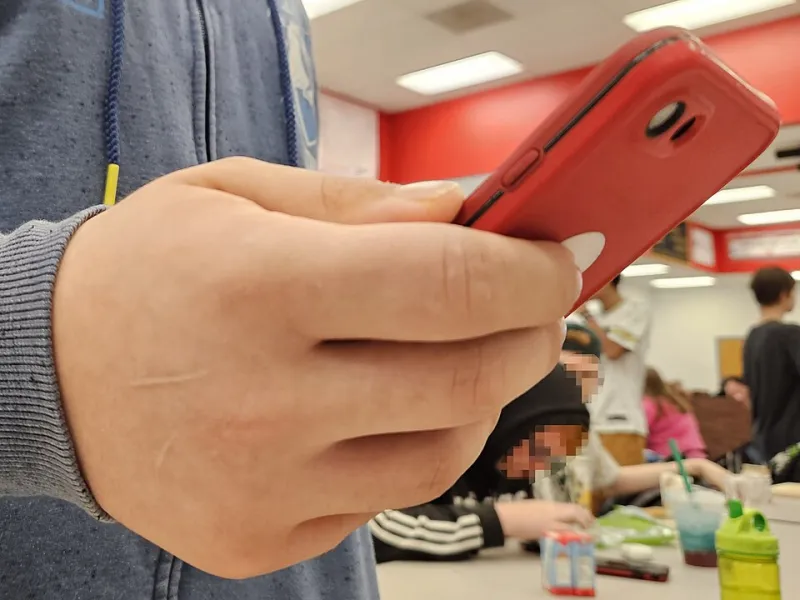
Photo: Flame, not lame, CC0, via Wikimedia Commons
There's a moment, if you've ever posted something genuinely raw online, when your finger hovers over the publish button and your stomach drops. Not because you're afraid nobody will care. Because you're terrified that everybody will.
That terror? That's the product now.
We are living inside what you might call the shame economy — a vast, humming content machine that runs not on oil or code but on the willingness of ordinary people to crack themselves open in public. Reddit AMAs where users confess to affairs, addictions, crimes they got away with. TikTok videos where someone films themselves mid-panic attack and captions it "relatable content." Substack newsletters that begin with "I've never told anyone this" and end with a paid subscription tier. The architecture of modern attention has been quietly retooled to reward vulnerability — or at least the performance of it.
And somewhere in that gap between real vulnerability and performed vulnerability, a lot of people are getting genuinely hurt.
From Diary to Dashboard
Confessional writing isn't new. Sylvia Plath bled onto the page. Anne Sexton made her therapy sessions into poetry. Mary Karr built a career on excavating her chaotic Texas childhood. The impulse to transform personal darkness into shareable narrative is as old as language itself — and there's real dignity in it. Writing about your worst moments can be an act of profound courage. It can connect you to strangers who thought they were alone. It can save lives.
But here's what's changed: the feedback loop is now instant, quantified, and addictive.
When Plath wrote The Bell Jar, she wasn't watching a likes counter tick upward in real time. She wasn't refreshing her analytics at 2 a.m. to see if her breakdown was performing well in the 18-34 demographic. Today's confessional creators are. And that changes everything about why the story gets told, and how.
Platform algorithms don't reward nuance. They reward reaction. Anger, grief, shock, the particular voyeuristic thrill of watching someone else's life detonate — these are the emotions that drive shares and comments and the precious minutes of watch time that keep the machine fed. Creators learn this fast. You post about your promotion and get forty likes. You post about your miscarriage and the notifications don't stop for three days. The lesson the algorithm teaches is brutal and clear: the worse it was, the better it does.
The Monetization of the Wound
Let's be specific about the economics here, because vagueness lets the platforms off the hook.
A TikTok creator with 200,000 followers who posts a video about surviving childhood abuse isn't just sharing their story — they're generating ad revenue for ByteDance. A Redditor who posts an AMA about their eating disorder is producing free content that keeps users on the platform longer, which sells more targeted advertising. The person doing the confessing gets clout, maybe a few hundred dollars through creator funds or Patreon boosts. The platform gets billions.
Meanwhile, the creator has now permanently published the worst chapter of their life. It lives on servers they don't control, attached to an identity they can't fully separate from, available to employers, family members, future partners, and the specific breed of internet stranger who collects other people's pain like baseball cards.
Several therapists and mental health advocates have started using the phrase "digital self-harm" to describe a particular pattern they're seeing in younger clients: people who share trauma online not despite the fact that it hurts, but because the attention temporarily soothes a wound that the sharing itself keeps reopening. Post the pain, get the dopamine hit of validation, feel exposed and ashamed, post more pain to drown out the shame. Repeat.
This isn't liberation. It's a subscription service where you're both the publisher and the content.
When Oversharing Becomes a Job
The creators who've built actual careers on confessional content occupy a genuinely strange psychological space. Talk to enough of them — and there are whole communities online where they discuss this with startling honesty — and a pattern emerges. Early on, sharing felt freeing. Cathartic. Real. Over time, as the audience grew and the revenue became something they depended on, the relationship to their own story shifted. They started to feel like curators of their trauma rather than survivors of it. They began holding back new experiences, not to protect their privacy, but to save the material for a better content moment.
One creator, speaking anonymously to a mental health podcast last year, put it this way: "I realized I was letting things happen to me and immediately thinking about how I'd frame it for the audience. I stopped living inside my own life. I was always already writing the caption."
That's not therapy. That's dissociation with a ring light.
The Question We're Not Asking Loudly Enough
Here's the thing about the shame economy that nobody in the attention-monetization business wants to examine too closely: it requires a constant supply of new shame. When your worst moment becomes your most successful post, the pressure to find the next worst moment — or to reframe an ordinary hard day as something more dramatically consumable — is relentless.
The platforms have no incentive to slow this down. The audience, largely, doesn't think about it. So it falls to the creators themselves to ask the question, usually alone at some exhausted 3 a.m.: Is this healing me, or am I just making it worse in public?
There's a version of confessional storytelling that genuinely serves the person telling the story. It's usually slower. It usually involves some distance from the wound. It often happens in a context — a book, an essay, a poem — where the creator has some control over how the narrative is framed and who receives it. It doesn't optimize for engagement. It doesn't watch the numbers.
And it usually doesn't make anyone rich.
The shame economy will keep running as long as we keep feeding it. The question isn't whether your pain is worth sharing. It probably is. The question is who profits when you do — and whether the version of yourself you're selling is the one you actually want to be.