Your Notes App Doesn't Know You're a Brand: The Autobiography You're Writing by Accident
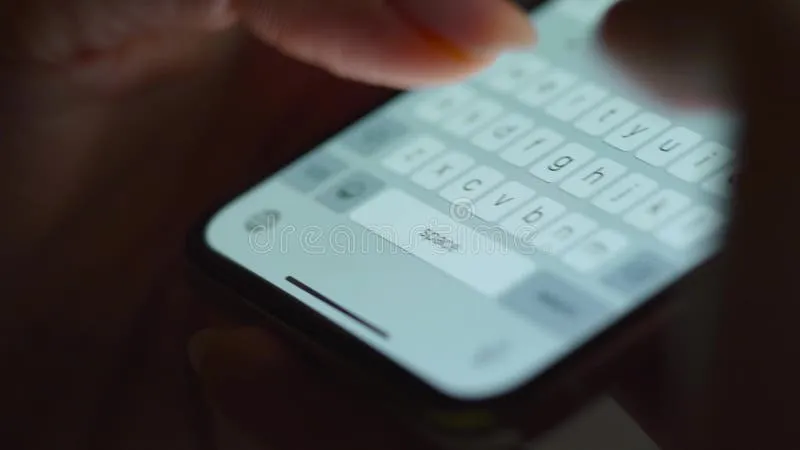
Photo: person typing notes on smartphone at night close up, via thumbs.dreamstime.com
There's a note on my phone dated March 14, 2021. It says: 'ask dad if he was happy. like actually happy.' Below that, separated by nothing, is a grocery list. Oat milk. Paper towels. The good mustard.
I have never once sat down to write about my father. But that note exists, and it exists because at some moment on a Tuesday, something cracked open in me and I typed nine words into the same app where I track my car's oil changes.
The Junk Drawer That Keeps a Diary
Ask around and you'll hear the same thing. Everybody's notes app is a crime scene. There's the Wi-Fi password for a bar in Nashville they'll never return to. A half-formed review of a movie they fell asleep during. 'Things I should have said to Mom before the nursing home.' A recipe for chili. The name of a therapist they never called.
This is the real American autobiography, and nobody's writing it on purpose.
We've been sold this idea that a life deserves a leather-bound journal, morning pages, a memoir drafted in a cabin somewhere. What actually happens is you get a text from your ex at 11:47 p.m., you open the app labeled 'Notes' because you don't know where else to put the feeling, and you type three lines you will never look at again. Or you'll look at them in four years, on the toilet, and feel like you found a time capsule you don't remember burying.
Nobody Was Supposed to Read It — That's the Point
Every writer I know will tell you the same thing: the second you know someone might read your words, they calcify. You start performing. Even to yourself.
The notes app has no audience. There's no caption field, no like button, no imagined reader raising an eyebrow. It's the closest thing we have left to thinking on paper. That's why the writing in there is better — rawer, stranger, truer — than anything most people compose for public consumption.
I asked a friend to read me her most recent note. She scrolled, went pale, and said, 'Absolutely not.' Then she read it anyway: 'I don't think I want the life I built. Is it too late to want a different one?' Eighteen words. No context. No resolution. Hemingway spent decades trying to get that clean.
Scroll Back Far Enough and You'll Meet Your Old Self
Here's the part that gets uncomfortable. Your notes app has a scroll bar, and the scroll bar goes back years.
Mine goes back to 2016. There's a note from the week I got laid off that just says 'ok' — nothing else, one word, timestamped. There's a list titled 'reasons to stay' that I don't remember writing but I remember needing. There are seventeen different attempts at the same apology to the same person, each one shorter than the last, until the final draft is just 'I know.'
Reading your own old notes is like eavesdropping on a stranger who happens to have your fingerprints. You catch yourself mid-becoming. The person who wrote that note didn't know how things turned out. They were standing on the edge of the story, writing the only way they could: badly, briefly, honestly.
Keep Writing the Small Stuff
I'm not going to tell you to journal. God knows the journaling-industrial complex has done enough damage. I'm just saying: leave the app alone. Keep the grocery lists next to the grief. Keep typing the thing you'll never send.
Someday, when you're a different person — and you will be — you're going to scroll all the way down, and you're going to find out what you were actually thinking this whole time. Not the version you posted. Not the version you told your mother.
The real one. Nine words long, timestamped on a Tuesday, filed between oat milk and the good mustard.