Performing Realness: The Lie Hidden Inside Your Favorite Creator's 'Authentic' Moment
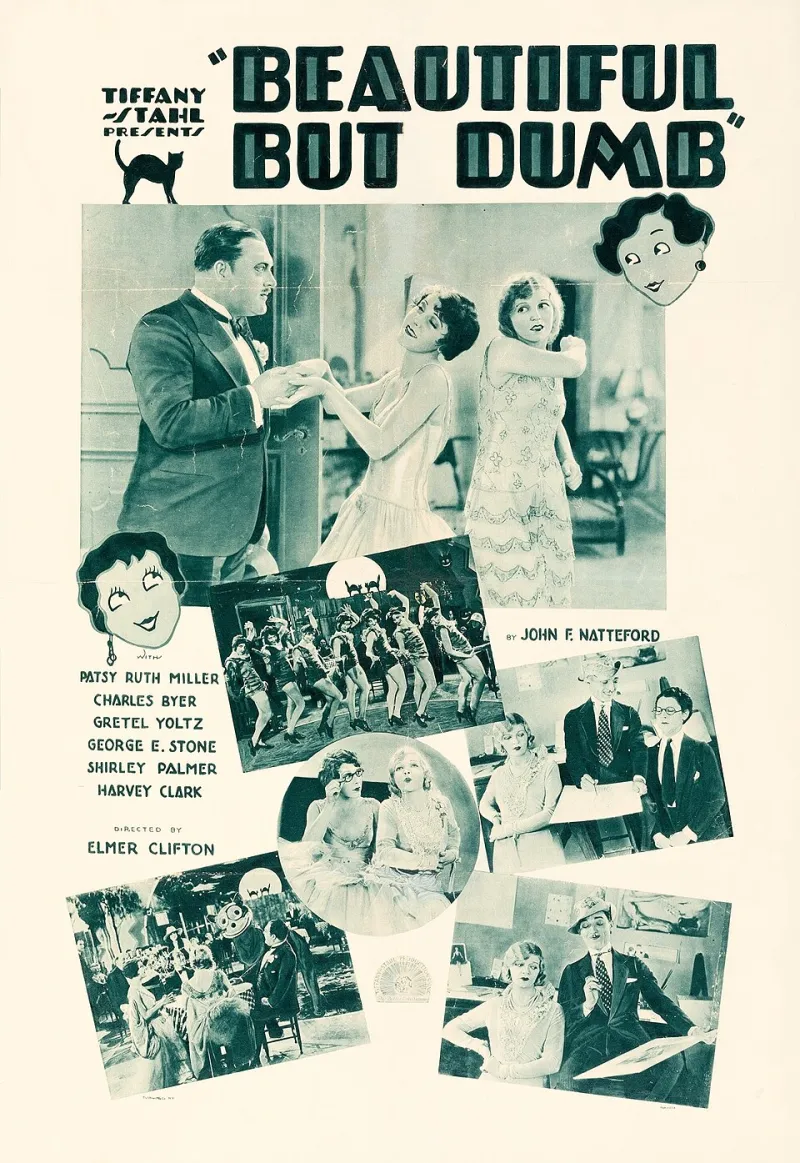
Photo: Paramount Pictures, Public domain, via Wikimedia Commons
There's a specific kind of TikTok you've seen a hundred times. Dim lighting. No makeup, or the suggestion of no makeup. A shaky exhale before the creator says something like, "I've never talked about this before, but..." The comments flood in. This is so brave. Thank you for being real with us. I needed this today.
And maybe it was brave. Maybe it was real. But maybe — and this is the part nobody wants to say out loud — it was also a calculated move dressed up in the aesthetics of confession.
Welcome to the vulnerability paradox: the strange cultural moment where oversharing has become its own kind of armor.
The Currency of the Wound
Somewhere in the last decade, emotional exposure became a content strategy. Platforms like Instagram and TikTok rewarded creators who appeared unguarded, and audiences — starved for anything that felt human in an increasingly polished digital landscape — responded with engagement, follows, and money. Authenticity became a brand pillar. Rawness became a aesthetic.
Dr. Leah Forsythe, a licensed therapist based in Austin who works extensively with young adults navigating social media identity, puts it plainly: "What we're seeing is the commodification of the inner life. When you know that sharing a painful story will generate reach, there's an almost unconscious process of shaping that story for maximum impact. That's not the same as processing it."
The distinction matters more than most people realize. Genuine vulnerability — the kind that actually costs you something — happens in contexts where the outcome is uncertain. You tell a friend something shameful and you don't know how they'll respond. You write a poem about your father and you're not sure you can survive showing it to anyone. That uncertainty, that risk of rejection or misunderstanding, is the actual marrow of the thing.
Posting a tearful video to 200,000 followers isn't the same animal. The audience has already self-selected. They're there because they like you. The algorithm surfaces your content to people predisposed to respond warmly. The risk has been largely engineered out of the equation — and without risk, what you've got isn't vulnerability. It's theater.
The Authenticity Industrial Complex
None of this is entirely the creators' fault. The platforms built the incentive structures. Instagram's early culture of aspirational perfection eventually triggered a backlash that made "realness" the new perfection. Suddenly, the acne post outperformed the glam shot. The candid body-positive caption beat the filtered selfie. The system didn't stop rewarding performance — it just changed what kind of performance pays.
Jordan Mack, a former lifestyle creator from Chicago who built a following of roughly 80,000 before stepping back from content creation in 2023, describes the shift from the inside: "I started out just... posting stuff I liked. Then I had one video do really well where I talked about my anxiety, and overnight I understood what the algorithm wanted from me. It wanted my pain. And I gave it my pain, but I gave it a version of my pain that I'd already survived. I never showed the stuff I was actually in the middle of."
That last part is key. The stories that go viral are almost never happening in real time. They're retrospective. Shaped. Survivable by definition, because the person telling them already made it through. Which means the audience is receiving something that looks like a live wound but is actually closer to a scar — already healed, already integrated, already safe enough to monetize.
When the Performance Starts to Eat You
The psychological toll of sustained performed vulnerability is something researchers are only beginning to map. A 2022 study out of the University of Michigan found that users who regularly shared emotionally charged personal content on social media reported lower overall feelings of being understood by others — despite receiving high levels of social validation online. The more they shared, the lonelier they got.
Forsythe sees this in her practice constantly. "There's a client I'm thinking of — I won't share details — but they had this very public persona built around openness and healing. In our sessions, they couldn't access any of it. They'd given the narrative away. The story had been told so many times, for an audience, that they couldn't find the raw version anymore."
That's the deepest cut of the vulnerability paradox. In performing openness, you can actually seal yourself off. The sharing becomes a substitute for the reckoning rather than a path toward it.
What Real Exposure Actually Looks Like
So what's the alternative? Silence? Retreating from the conversation entirely?
Not necessarily. But there's a meaningful difference between creating from your wounds and creating about your wounds. Writers, poets, and artists have always mined their interior lives for material — that's not new, and it's not inherently dishonest. The question is whether the work is asking something of you, or whether it's been pre-digested into something comfortable enough to package.
Mack, who now writes a small newsletter that reaches a fraction of her former audience, says she's only recently started to understand the difference. "My newsletter is maybe 400 people. I write things there that I would never have posted when I had 80K followers. Because 80K people is a crowd, and you perform for a crowd. Four hundred feels like a conversation. I can actually be honest in a conversation."
Scale, it turns out, may be the enemy of intimacy. And intimacy — real, uncomfortable, outcome-uncertain intimacy — is the only place genuine vulnerability lives.
The next time you watch someone's tearful confession rack up a million views and think wow, that took guts, it might be worth sitting with a harder question: what would it take for that person to say the thing they're not saying? The story they haven't shaped yet, haven't survived yet, haven't figured out how to make palatable?
That version — the one that doesn't perform well, the one that might cost them something real — that's the naked word. Everything else is just very good lighting.