The Truth Tax: What Happens After You Publish the Story You Were Never Supposed to Tell
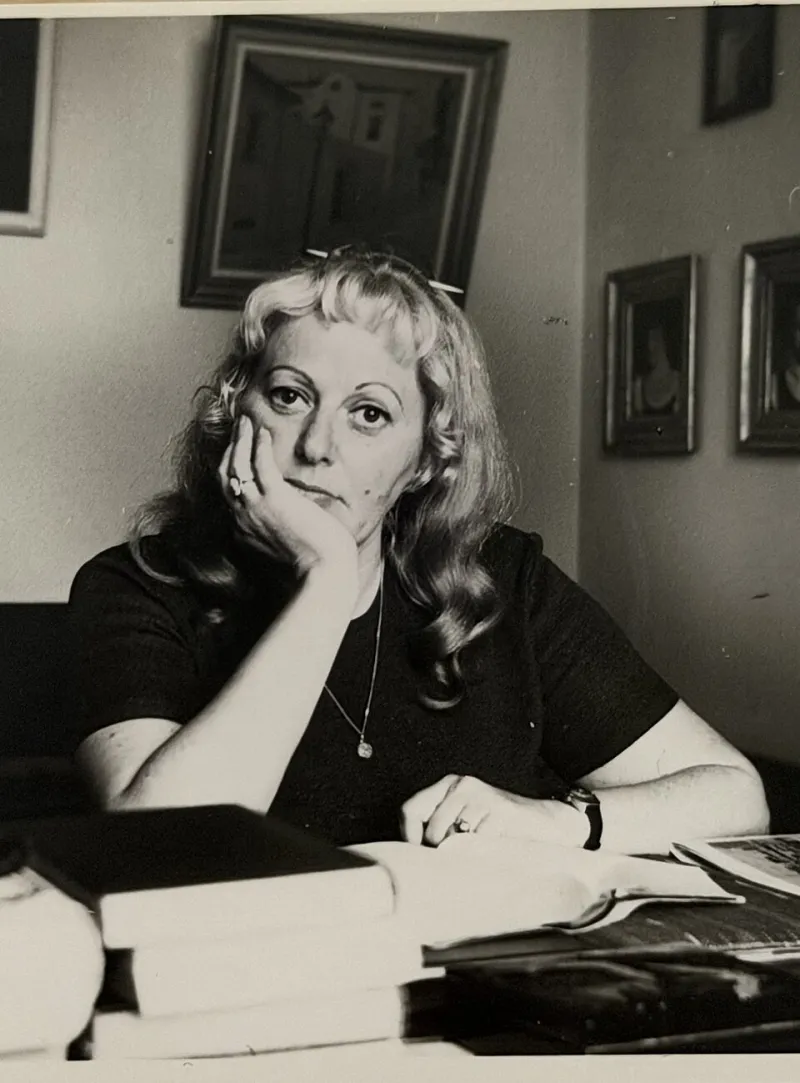
Photo: Ral230763, CC BY 4.0, via Wikimedia Commons
Mary Karr has a line that writers in the memoir world pass around like a talisman: "The truth will set you free, but first it will piss off everyone you know."
It's funny because it's accurate. It's terrifying for the same reason.
Every writer who has ever put real life on the page — real people, real events, real wounds — has done the math at some point. What does telling this story cost? What does not telling it cost? Which price can I actually live with?
For some, the calculation comes out clean. They publish, their family is upset for a while, things eventually settle. For others, the fallout is categorical and permanent — estrangement, lawsuits, harassment campaigns, career implosion, threats. The truth tax, it turns out, is not a flat rate. It's progressive, and it's unpredictable, and nobody hands you a receipt in advance.
The Legal Minefield Nobody Warns You About
Most writers don't have attorneys on retainer. Most writers, especially early in their careers, are operating on instinct and courage and a vague understanding that "truth is a defense" in defamation cases. That's technically accurate. It's also dangerously incomplete.
Defamation law in the United States is a patchwork. Truth is indeed a defense against defamation claims — but proving truth in court is expensive, time-consuming, and not guaranteed. Public figures face a higher bar to sue successfully; private individuals do not. And "private individual" can mean your ex-boyfriend. Your former boss. Your estranged sister who has never given an interview in her life but is now, thanks to your essay in a major literary magazine, a private individual whose reputation has allegedly been harmed.
Beyond defamation, there's the murkier territory of invasion of privacy claims, intentional infliction of emotional distress, and the catch-all threat of litigation that doesn't need to win to destroy you. A lawsuit, even a frivolous one, can cost tens of thousands of dollars to defend. It can delay publication, kill a book deal, or simply exhaust a writer into silence.
Several writers who have navigated this terrain describe the same experience: the legal threat arrives not as a formal complaint but as an email, or a phone call, or a message through a mutual friend. I've spoken to an attorney. You need to know what you're risking. The message is designed to land before the book does. It's a pre-emptive strike, and it works on a lot of people.
When the Fallout Is Personal, Not Legal
Legal threats are, in some ways, the easier problem. They're external. They have defined parameters. They can be fought.
The relationship fallout is harder because it doesn't resolve. It just lives in you.
Consider the genre of the family memoir — a form that has produced some of the most essential American literature of the last thirty years. Jeannette Walls' The Glass Castle. Frank McCourt's Angela's Ashes. Tara Westover's Educated. These books were praised as brave and necessary and true. They were also, in each case, seismic events within the families they depicted. Walls has spoken about the complicated aftermath with her family. Westover lost relationships with several siblings and her parents. The books exist. The cost was real.
For writers without that level of commercial success or cultural validation, the calculus is even harder. You publish the essay about your mother's addiction, or the piece about your workplace's culture of harassment, or the short story that is obviously about your divorce — and you don't get the NPR interview and the National Book Award consideration. You get your mom calling you in tears. You get a cease-and-desist from your former employer. You get your ex's new partner sending you messages at midnight.
And you have to decide: was it worth it?
The Writers Who Say Yes
The ones who say yes, definitively, tend to share a particular quality. It's not recklessness, exactly. It's more like a specific kind of clarity about what they're for.
They write because the silence was killing them. Because the story needed to exist in the world, not just in their head. Because they had tried every other way to process what happened and nothing else worked. Because they believed — and this is the faith that sustains literary courage — that someone else needed to read this story and know they weren't alone.
Those writers will tell you that the relationships they lost were already compromised. That the lawsuit, while brutal, didn't break them. That the professional consequences were real but survivable. That the alternative — carrying the story forever, unsaid — would have cost them more.
This is not a universal experience. But it is a recurring one.
The Writers Who Aren't Sure
Then there are the ones who can't answer the question cleanly. Who published and paid and are still, years later, tallying the cost.
A writer — she asked not to be named, which is its own kind of story — published a personal essay about her experience with reproductive coercion in a relationship. The essay was well-received. It was shared widely. It helped people. It also resulted in a sustained online harassment campaign organized by her ex's social circle, a confrontation at her workplace, and the end of a friendship she'd had for over a decade with someone who felt she'd been portrayed unfairly in the piece.
"I don't regret writing it," she said. "I regret that I wasn't prepared for what came next. I thought publishing the truth was the end of something. It was actually the beginning of something much harder."
What Survives
Here's what the writers who've been through it tend to agree on: the work survives. Even when the relationships don't. Even when the career takes damage. Even when the writer themselves goes quiet for a while, licking wounds.
The work exists. It found its readers. It did the thing it was supposed to do.
That's not nothing. That might even be everything, depending on why you write.
But nobody should go in naive. The truth tax is real, and it's collected in currencies you can't always anticipate — time, relationships, safety, peace of mind. The question every honest writer eventually has to answer isn't just can I tell this story? It's what am I prepared to lose for it?
And then, knowing the answer, deciding whether to write it anyway.
Most of the writers who paid the price and kept writing will tell you: they'd do it again. Not because it didn't hurt. Because the other option — silence, safety, a story that never got told — would have hurt more.
That's the bet. It's yours to make.