Ghost Letters: The Secret Inbox You'll Never Let Anyone Read
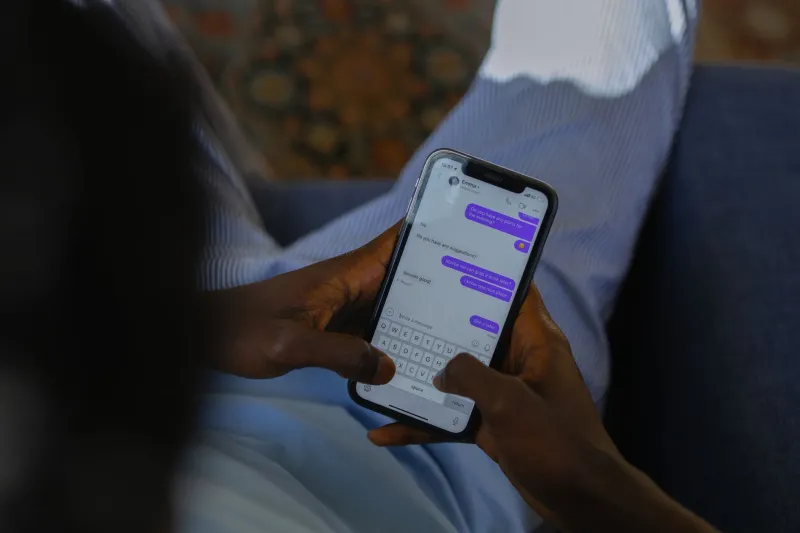
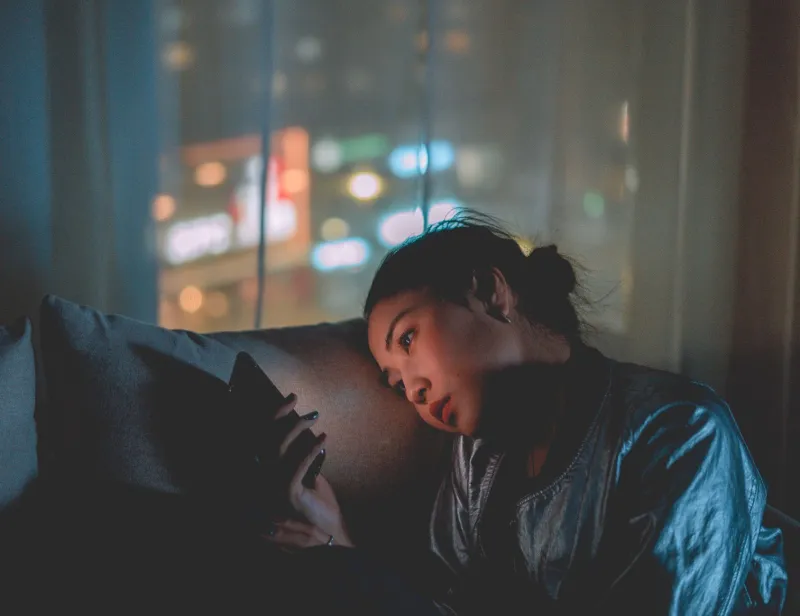
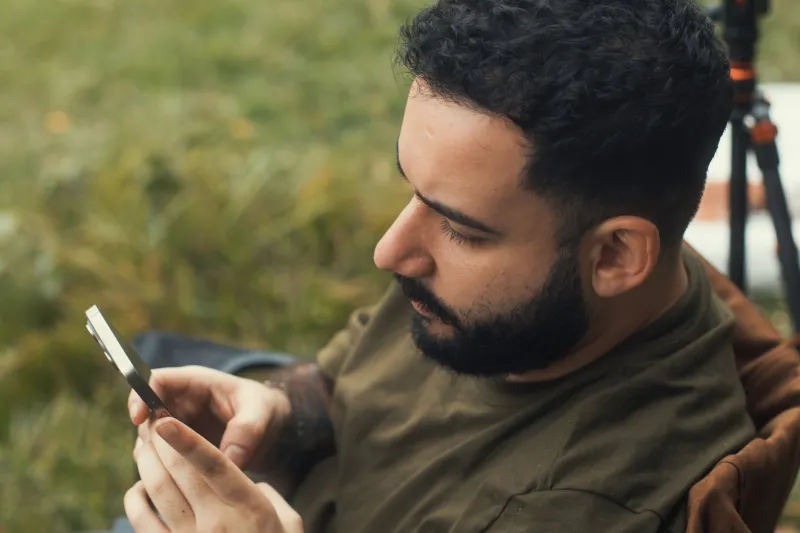
You know the one. The text you typed out in the parking lot after Thanksgiving dinner, hands shaking, thumbs moving faster than your better judgment. The email you drafted to your ex at 1:47am — three paragraphs, no subject line, every sentence a small explosion. The voice memo you recorded and immediately deleted because hearing yourself say it out loud made it too real.
You never sent any of it. You weren't going to. But you wrote every word like your life depended on it.
Welcome to the great unread correspondence of modern American life — a vast, invisible archive of honesty we manufacture and then immediately suppress. We are, apparently, a nation of prolific writers. We just never let anyone read the good stuff.
The Draft as Confession Booth
There's something almost liturgical about composing a message you know you'll never deliver. You open the app. You begin. The words come out sideways and ugly and true — the kind of true that doesn't get cleaned up for social media or softened for the family group chat. You say the thing you've been not-saying for six months, or six years. And then you close the window, or delete it, or let it rot in the drafts folder like a secret you're keeping from yourself.
Therapists have actually been onto this for decades. Unsent letter writing is a legitimate therapeutic technique — a way to process grief, rage, longing, or unresolved conflict without the chaos of actual confrontation. Write it out, feel it, release it. The letter isn't the point. The writing is.
But here's where it gets complicated: we're not doing this in therapy journals. We're doing it in iMessage. In Gmail. In the same interfaces designed to connect us to other human beings. We're using communication tools to communicate with no one. That's not therapy. That's something stranger and more desperate — and maybe more honest than anything we actually send.
What We Say When We Know No One's Listening
Pull back the curtain on what lives in people's unsent drafts and you'll find the full spectrum of human need, raw and unedited. There's the apology that goes further than anyone would ever be comfortable receiving. The declaration of love sent years too late to matter. The confrontation with a parent that names every specific wound with surgical precision. The resignation letter that tells the boss exactly what kind of person he actually is.
These aren't rough drafts waiting for polish. They're finished. They say what they mean. They're the version of us that exists before self-preservation kicks in and starts doing its aggressive editorial work.
And that's the paradox sitting at the center of all of it: the most nakedly honest writing most of us will ever produce is writing we deliberately hide. We are our most articulate, our most vulnerable, our most ourselves — and we make sure nobody ever sees it.
The Safety Valve Theory (And Why It's Only Half Right)
One way to read all this unsent correspondence is optimistically. The draft-and-delete ritual functions as a pressure release. You feel the feeling. You find the language for it. You don't blow up your marriage or your friendship or your job in the process. The words serve their purpose and then disappear. Healthy, even.
There's real truth in that. Plenty of messages genuinely shouldn't be sent — the ones written in the white heat of fresh rage, the ones that would weaponize someone else's vulnerability, the ones that exist mainly to make you feel powerful for thirty seconds. Deleting those is wisdom, not cowardice.
But let's be honest about the other pile. The ones that should have been sent. The apology your estranged sibling deserved to receive. The boundary you needed to name with the friend who kept crossing it. The grief you never expressed to someone who died before you could work up the nerve. Those drafts aren't safety valves. They're evidence.
Evidence that we have developed, in the digital age, an almost pathological capacity to perform communication while avoiding it entirely. We have all the tools. We are surrounded by channels. And we are, in some fundamental way, more unreachable than ever.
The Algorithm Trained Us to Delete Ourselves
It would be too easy to blame individual fear for all of this. The architecture of our digital lives deserves some of the credit. Every platform we use has trained us to curate, to optimize, to post the version of ourselves most likely to be received well. You don't just say a thing anymore — you calculate it. You preview how it will land. You consider the screenshot potential. You imagine the ratio.
We've internalized the logic of content moderation and applied it to our own emotional lives. The unsent message is what survives after that moderation process runs. It's the post that didn't make it through the internal review board. The you that existed before you remembered you had an audience.
And so the drafts pile up. A whole shadow-life of things we meant, things we felt, things we needed to say — archived in the dark, undelivered, quietly rotting.
What Would Happen If You Actually Sent It
Here's the question nobody wants to sit with: what if you did?
Not the rage-spiral at 3am. Not the one that's more about your own need to explode than anyone else's need to hear it. But the real one. The one you've rewritten four times and keep coming back to. The one that's true and fair and would require the other person to actually know you.
Most of us won't find out. We'll keep the ghost letters exactly where they are — hovering in that liminal space between expression and silence, doing the psychological work of honesty without any of the relational risk. It's efficient, in a bleak sort of way.
But there's a cost to all that unsaid truth. It accumulates. It changes the shape of your relationships, because you're always carrying the version of the conversation that never happened. You know what you would have said. The other person has no idea. You're both operating in the same room with completely different information, and you chose that.
The unsent letter isn't just a document. It's a decision.
The Naked Truth in Your Drafts Folder
If you want to know who you actually are — not the version you present at work or post on Instagram or bring to family dinners — go read your unsent messages. The ones you wrote and deleted. The ones sitting in drafts you haven't opened in months. That's the archive of your real interior life. That's the writing you did when you forgot to perform.
There's something worth grieving in that, and something worth reclaiming. Not every ghost letter needs to be mailed. But maybe some of them do. Maybe the cost of keeping all that truth permanently unsent is higher than we've been willing to admit.
Write the letter. Feel what it costs you to delete it again.
Then decide — for real this time — whether the risk of being known is actually worse than the silence you've been living in.