Scripted Remorse: When 'I'm Sorry' Became a Product Launch
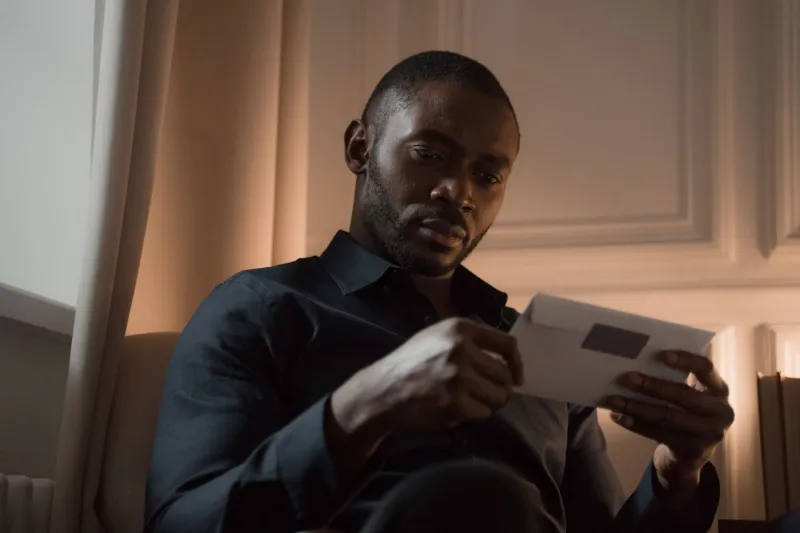
There's a moment in every major celebrity scandal—you know the one—where the publicist's fingerprints are all over the statement. The cadence is too measured. The word choice too careful. The timing, suspiciously, lands just before a new album drops or a streaming deal gets announced. And somewhere in the middle of all that managed messaging, the actual human being who did the actual harmful thing has completely disappeared.
We've been here so many times we can practically write the script ourselves.
The Template Is Real, and Someone Gets Paid to Write It
Crisis communications is a genuine, thriving industry in America. Firms like Edelman and a dozen boutique shops you've never heard of exist specifically to transform the wreckage of public wrongdoing into something survivable—ideally, something that reads as growth. Their clients range from Fortune 500 companies caught dumping chemicals in rivers to influencers caught on a hot mic saying something unforgivable at a dinner party.
The product they sell isn't accountability. It's the appearance of accountability.
There's a formula, and it goes roughly like this: open with acknowledgment (never full admission), pivot to impact rather than intent, gesture toward systemic change or personal therapy, close with gratitude for patience and grace. Sprinkle in a few strategically vague phrases—I've been doing the work, I'm committed to learning, this doesn't reflect my values—and you've got yourself a press release dressed up as a soul.
The problem isn't that these firms exist. The problem is that we've all absorbed their grammar. We know what a real apology is supposed to sound like, and now that sound has been colonized.
Social Media Turned Accountability Into a Spectator Sport
Before Twitter, before Instagram, before the entire architecture of public shaming got wired into our phones, apologies mostly happened in private. You hurt someone, you faced them, you said the words. The transaction was between two people, maybe a small community. Messy, uncomfortable, human.
Now, apologies happen in front of millions of strangers who have no personal stake in the outcome but a very strong opinion about the performance. The audience doesn't want healing—they want catharsis. And the person apologizing isn't really talking to the person they harmed anymore. They're talking to the mob, the algorithm, the comment section.
This shift has done something corrosive to our collective understanding of remorse. When the apology is engineered for maximum public approval, it stops being about repair and becomes about survival. The injured party becomes a prop in someone else's redemption arc. Their pain is referenced, briefly, as context—then the camera swings back to the person doing the apologizing, their journey, their growth, their very relatable struggle to be better.
We've watched this play out with everyone from mega-corporations issuing boilerplate statements after data breaches to celebrities releasing Notes app confessionals after getting caught. The format is consistent. The sincerity is optional.
What We Lose When Sorry Stops Meaning Anything
Here's what actually worries me: the cynicism is spreading downstream.
When public apology becomes performance, we start applying that same skepticism to the private ones. Your partner says they're sorry and somewhere in the back of your mind you're running it through the PR filter—is this genuine, or is this damage control? A friend apologizes for something that genuinely hurt you and you find yourself waiting for the pivot, the deflection, the carefully worded non-admission buried in the middle.
We've been trained, by thousands of hours of watching famous people apologize badly, to distrust the whole enterprise.
This is not a small thing. Apology is one of the load-bearing beams of human relationship. The ability to say I hurt you, I understand how, and I'm genuinely sorry—without a lawyer reviewing it first—is foundational to intimacy, to community, to the basic functioning of people living alongside each other. When that act gets corrupted by association with brand management, we all get a little lonelier.
The Anatomy of the Thing We Actually Need
Real apology is uncomfortable in ways the polished version is specifically designed to avoid. It doesn't protect the apologizer. It doesn't arrive with a timeline for moving on. It doesn't come packaged with a list of the apologizer's good qualities or a reminder of everything they've contributed.
Real apology sits in the discomfort. It lets the other person be angry. It doesn't demand forgiveness as the price of admission or set a deadline for when the injured party should feel better. It's not a transaction with a clear ROI—it's an offering with no guaranteed return.
Nobody hires a crisis firm to help them do that. Because that kind of apology can't be optimized. It can't be A/B tested. It doesn't have a metrics dashboard.
It's just two people, and one of them did something wrong, and the weight of that is real and present and neither of them gets to skip it.
We Know the Difference. That's the Whole Problem.
The most insidious part of the apology industrial complex isn't that it fools us. It's that it mostly doesn't—and we've stopped expecting better.
We watch the tearful video and we clock the PR move and we scroll on. We've accepted managed contrition as the default mode of public accountability, not because we believe it, but because the alternative—demanding that powerful people actually reckon with their harm—feels exhausting and naive.
But that resignation has a cost. Every time we shrug at a scripted sorry, we quietly lower the bar for what remorse is allowed to look like. And then we bring those lowered expectations home with us.
The naked truth—the one nobody in a crisis communications meeting is ever going to say out loud—is that some harms can't be managed. Some wrongs require more than message discipline. And the people who've actually been hurt deserve something that hasn't been workshopped, focus-grouped, and cleared by legal.
They deserve the real thing. Even if it's messier. Even if it doesn't come with a redemption arc already attached.
Especially then.